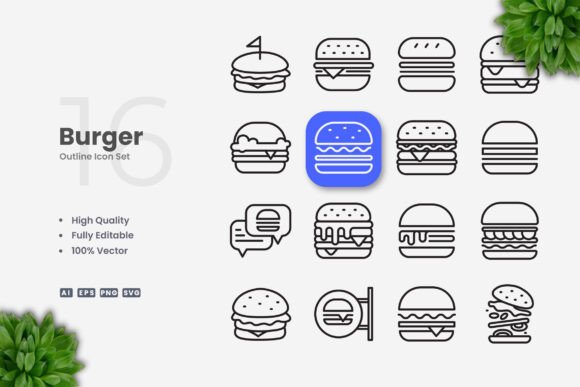
Burger Icons and Simple, Clean Icon Design: A Versatile Tool for Modern Creativity
In today's digital age, visual communication plays a crucial role in how we interact with websites, mobile apps, and various forms of media. One of the most effective and widely used design elements is the burger icon. This simple yet powerful symbol has become a staple in modern UI/UX design, offering a clean and intuitive way to navigate menus on both desktop and mobile platforms. Alongside burger icons, simple and clean icon design has gained popularity due to its adaptability, clarity, and aesthetic appeal. These icons are not only visually pleasing but also highly functional, making them ideal for a wide range of applications.
What Are Burger Icons?
A burger icon is a graphical representation consisting of three horizontal lines stacked on top of each other. It is commonly used to indicate a menu or navigation panel, especially on mobile devices where screen space is limited. The simplicity of this icon makes it easily recognizable, even to users who may not be familiar with digital interfaces. Its widespread use across websites and apps has made it a standard element in modern design.
The origin of the burger icon can be traced back to the early days of graphical user interfaces. However, it wasn't until the rise of smartphones and mobile web browsing that the icon became universally recognized. Today, it is used by major tech companies, startups, and designers worldwide, proving its effectiveness as a navigational tool.
The Significance of Simple and Clean Icon Design
While the burger icon is a specific example, the broader concept of simple and clean icon design is equally important. In an era where information overload is common, minimalistic design principles help users focus on what matters. Clean icons are easy to understand, scalable, and adaptable to different sizes and formats, making them suitable for a variety of platforms and mediums.
Simple icons reduce cognitive load by minimizing visual clutter. They allow users to quickly grasp the meaning of an icon without needing additional text or explanations. This is particularly useful in environments where space is limited, such as mobile apps or social media posts. Additionally, clean designs tend to be more timeless, avoiding trends that may become outdated over time.
Practical Applications of Burger Icons and Clean Design
Burger icons and simple icon design are not just limited to digital interfaces. They have found their way into numerous areas of daily life, including:
- Websites: Burger icons are often used in responsive web design to hide navigation menus on smaller screens.
- Mobile Apps: Many apps use the burger icon to provide access to additional features or settings.
- Books and Publications: Simple icons can be used to illustrate chapters, sections, or key points in educational or informational content.
- Social Media: Icons are used to represent actions like likes, shares, or comments, enhancing user interaction.
- Infographics and Flyers: Clean icons make complex data easier to digest, helping to convey messages more effectively.
- Print and Banners: Icons can be used in posters, banners, and other printed materials to draw attention and guide the viewer’s eye.
The versatility of these icons ensures they can be adapted to almost any medium, making them an essential part of a designer's toolkit.
Key Features of High-Quality Burger Icons and Clean Design
When selecting or creating burger icons and simple icon sets, certain features ensure their usability and effectiveness. Here are some of the most important characteristics:
- High Quality Design: A well-crafted icon should maintain clarity and detail at any size, whether it's displayed on a small smartphone screen or a large banner.
- 100% Vector Format: Vector files (such as AI, EPS, or SVG) allow for unlimited scalability without losing quality, making them ideal for both digital and print use.
- 100% Customizable: The ability to change colors, stroke weights, and other properties gives designers flexibility to match their brand or project requirements.
- Editable Stroke: Adjusting the thickness of lines allows for greater control over the visual weight and style of the icon.
- Easy Drag and Drop: File formats like PNG with transparent backgrounds make it simple to integrate icons into various design projects without extra editing.
- Files Included: Access to source files (such as Adobe Illustrator and EPS versions) ensures that designers can make detailed edits when needed.
- Readme.txt: A helpful text file provides instructions on how to use the icons, ensuring a smooth workflow for users.
These features make high-quality burger icons and clean design assets valuable tools for professionals and hobbyists alike.
How to Use Burger Icons and Clean Design in Your Projects
Whether you're designing a website, developing an app, or creating marketing materials, integrating burger icons and simple icons can enhance the user experience. Here are a few tips to get started:
- Choose the Right Size: Ensure the icon is large enough to be easily visible but not so large that it disrupts the layout.
- Match Your Brand Identity: Customize the color and style of the icon to align with your brand's visual language.
- Test on Different Devices: Check how the icon looks on various screen sizes and resolutions to ensure consistency.
- Use in Context: Place the icon in a location where it makes sense, such as near a menu or action button, to avoid confusion.
By following these guidelines, you can maximize the effectiveness of your icons and create a more intuitive user experience.
Common Misconceptions About Burger Icons and Clean Design
Despite their popularity, there are some common misunderstandings about burger icons and simple design. One misconception is that they are only suitable for mobile interfaces. In reality, they can be used effectively on desktop sites as well, especially when space is limited or when a minimalist approach is desired.
Another assumption is that simple design lacks creativity. On the contrary, minimalism often requires careful planning and attention to detail. A well-designed icon can convey a lot of meaning with very few elements, proving that less can indeed be more.
Conclusion
Burger icons and simple, clean icon design are essential components of modern visual communication. Their versatility, clarity, and adaptability make them ideal for a wide range of applications, from websites and mobile apps to books, social media, and printed materials. With high-quality vector files and customizable options, these icons offer designers the flexibility to meet their specific needs while maintaining a professional and polished look.
As technology continues to evolve, the importance of clear and effective visual design will only grow. By understanding and utilizing burger icons and clean design principles, creators can enhance user experiences, improve accessibility, and build more engaging digital and physical spaces.