Halal and Haram Icons for Streamlined Design Workflows
In design projects that require clear visual communication, Halal and Haram Icons serve as essential tools for conveying specific meanings across diverse contexts. These icons are not just symbols; they are part of a broader design process that supports clarity, consistency, and effective messaging in both digital and print media.
Understanding Halal and Haram Icons
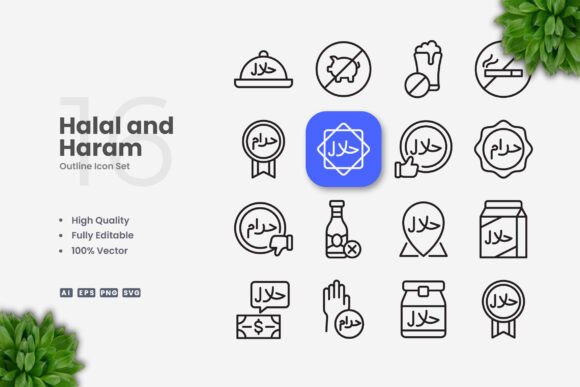
Halal and Haram Icons represent concepts rooted in Islamic principles. Halal signifies what is permissible, while Haram denotes what is forbidden. In design, these icons help communicate ethical, cultural, or religious guidelines in a visually intuitive way. Whether used in educational materials, marketing campaigns, or informational content, they provide a universal visual language that transcends text-based barriers.
These icons are particularly useful in environments where visual cues must be understood quickly and accurately. For instance, in food-related industries, they can indicate whether a product meets halal standards. In public signage, they may signal restricted areas or rules that align with specific beliefs.
Integration into Design Workflows
Halal and Haram Icons fit naturally into various stages of the design process. Before starting a project, designers can incorporate these icons to ensure alignment with cultural or ethical requirements. During development, they can be used to maintain visual consistency across platforms and formats. After launch, they support ongoing updates and revisions without disrupting the overall design system.
For example, a mobile app developer might use these icons during the wireframing phase to define user interface elements that reflect specific guidelines. A marketer could integrate them into social media graphics to reinforce brand values. An educator might include them in infographics to explain complex concepts in an accessible way.
Practical Use Cases Across Mediums
The versatility of Halal and Haram Icons makes them suitable for a wide range of applications. Websites can use them to highlight policy statements or compliance information. Mobile apps can embed them in settings or navigation menus to guide user interactions. Books and publications can include them in diagrams or illustrations to enhance readability.
Social media platforms benefit from these icons by creating engaging visual content that resonates with specific audiences. Infographics, flyers, banners, and posters can all leverage these icons to deliver messages more effectively. Their adaptability ensures they remain relevant across different formats and mediums.
Design Features and Customization Options
The design of Halal and Haram Icons emphasizes simplicity and clarity. Each icon is crafted with clean lines, minimal details, and a consistent style that ensures visual harmony. This approach allows them to blend seamlessly into any design aesthetic, whether modern, traditional, or abstract.
Users can customize these icons to suit their needs. The availability of vector files such as AI, EPS, and SVG enables easy resizing, color changes, and stroke adjustments. This flexibility is especially valuable for designers who need to maintain visual consistency across multiple platforms and devices.
Additionally, PNG files with transparent backgrounds allow for seamless integration into digital projects. The inclusion of a Readme.txt file provides guidance on usage, ensuring that even those unfamiliar with vector software can navigate the files effectively.
Workflow Tips for Effective Implementation
To make the most of Halal and Haram Icons, consider the following workflow tips:
- Plan Ahead: Identify where these icons will be used in your project and ensure they align with your overall design strategy.
- Check Compatibility: Verify that the icons work well with other design elements, including typography, colors, and layouts.
- Test for Usability: Ensure that the icons are recognizable and convey the intended message clearly to the target audience.
- Maintain Consistency: Use the same icon styles and sizes throughout your project to avoid visual clutter and confusion.
- Update Regularly: Keep your icon set current with any changes in design trends or user feedback.
By following these steps, you can ensure that Halal and Haram Icons enhance your design rather than complicate it.
Collaboration and Team Integration
When working in teams, Halal and Haram Icons can streamline collaboration by providing a shared visual reference. Designers, developers, and content creators can all benefit from having access to a standardized set of icons that match the project’s goals and requirements.
For instance, a team developing a health and wellness app might use these icons to indicate dietary restrictions or lifestyle choices. A marketing team could use them to create targeted campaigns that resonate with specific cultural groups. In each case, the icons act as a common language that simplifies communication and reduces misunderstandings.
Long-Term Use and Maintenance
Investing in high-quality Halal and Haram Icons ensures long-term value. As your projects evolve, these icons can be reused, modified, or expanded to meet new needs. Their editable nature means they can adapt to changing design trends without requiring a complete overhaul.
Regular quality checks are also important. Periodically review how these icons perform in different contexts and make adjustments as needed. This proactive approach helps maintain their effectiveness and relevance over time.
Conclusion: Enhancing Visual Communication with Halal and Haram Icons
Halal and Haram Icons offer a practical solution for designers and creators looking to communicate specific messages clearly and efficiently. Their simple, clean design, combined with full customization options, makes them a valuable addition to any design toolkit.
Whether used in websites, apps, books, or print materials, these icons support a wide range of workflows and applications. By integrating them thoughtfully, users can improve the clarity, consistency, and impact of their visual content.