Jukebox Icons: Simple, Clean, and Perfect for Every Project
If you're looking for a versatile set of icons that can enhance your website, mobile app, book, social media content, or any other visual project, Jukebox Icons might be exactly what you need. These icons are designed with simplicity and clarity in mind, making them ideal for a wide range of applications. Whether you're a designer, developer, marketer, or small business owner, understanding how to use and evaluate Jukebox Icons can make a big difference in the quality and effectiveness of your work.
What Are Jukebox Icons?
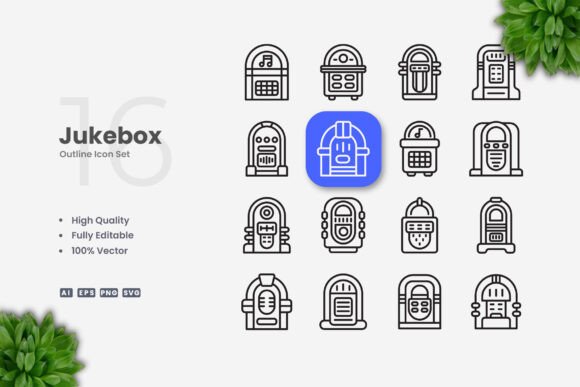
Jukebox Icons is a collection of high-quality, vector-based icons that emphasize clean lines, minimalism, and easy customization. Each icon is crafted to be visually appealing while maintaining a professional look that works across different platforms and mediums. The design is intentionally straightforward, which means it can blend seamlessly into various styles without clashing or overwhelming the overall layout.
One of the main reasons people choose Jukebox Icons is its flexibility. With 100% vector files, you can scale the icons to any size without losing quality. This makes them perfect for everything from digital interfaces to print materials like flyers, posters, and banners. The ability to edit stroke weight, color, and other details using software like Adobe Illustrator or CorelDRAW gives users full control over the final appearance.
Common Mistakes When Using Jukebox Icons
Despite their many benefits, Jukebox Icons can be misused or misunderstood if not approached carefully. One common mistake is assuming that all icons in the set will fit every project. While the design is simple, some icons may not align with the specific theme or message of your work. For example, using a music-related icon on a financial website could confuse your audience or dilute your brand's identity.
Another mistake is overlooking the importance of file formats. Jukebox Icons includes multiple file types, such as AI, EPS, SVG, PNG, and a Readme.txt. However, not all projects require the same format. If you're designing for a website, SVG and PNG files are typically sufficient, while print projects may need EPS or AI. Failing to choose the right format can lead to poor quality or compatibility issues.
Why File Format Matters
Choosing the wrong file format can affect the quality of your output. For instance, using a PNG file for a large banner might result in pixelation if the resolution isn't high enough. On the other hand, using an AI file for a web graphic could complicate the workflow if the platform doesn't support it. Always check the requirements of your project before deciding which file type to use.
How to Avoid Common Pitfalls
To get the most out of Jukebox Icons, start by clearly defining your project's needs. Ask yourself: What is the purpose of the icon? Who is the target audience? What style does the rest of the design follow? These questions can help you determine which icons are appropriate and how they should be customized.
Before downloading or purchasing Jukebox Icons, take time to review the preview images and descriptions. Some sets may have limited variations, so it's important to know what you're getting. If the preview doesn't match your expectations, consider looking for alternatives that better suit your needs.
Practical Tips for Customization
While Jukebox Icons are highly customizable, it's essential to understand the tools you'll be using. If you're new to Adobe Illustrator or CorelDRAW, spend some time learning the basics of editing strokes, colors, and shapes. A small adjustment can significantly improve the look of an icon, but improper changes can ruin the design.
For example, changing the stroke weight too drastically might make an icon look unbalanced or unclear. Similarly, altering colors without considering contrast can reduce readability, especially in low-light environments or on small screens. Always test your changes in different contexts to ensure they work well across all platforms.
What to Check Before Making a Decision
Before committing to Jukebox Icons, verify that the set includes all the necessary files and documentation. The Readme.txt file often contains important instructions, so don't skip it. It may explain how to open the files, what versions of software are supported, or any licensing restrictions that apply.
Additionally, consider the licensing terms. Some icon sets come with limited commercial use rights, which could restrict how you apply them in your projects. Make sure you understand the terms to avoid legal issues down the line.
Conclusion: Make Informed Choices with Jukebox Icons
Jukebox Icons offer a practical solution for designers and creators who need high-quality, customizable visuals. Their clean, simple design makes them adaptable to a variety of projects, but success depends on proper selection, customization, and application. By avoiding common mistakes and following best practices, you can maximize the value of Jukebox Icons and elevate the quality of your work.
Remember, the goal is not just to use icons, but to use them effectively. Take the time to plan, test, and refine your approach, and you'll find that Jukebox Icons can be a powerful addition to your creative toolkit.